My Sadak logo

Impact

Measuring how open reporting makes roads safer

My Sadak exists because potholes kill, injure, and choke traffic — not just annoy drivers. This page lays out the death toll, the daily problems commuters face, and how open reporting pushes for safer roads in Ludhiana and beyond.

The human cost

Death rates and damage that bad roads leave behind

Potholes are not a cosmetic issue. Across India they contribute to a staggering toll of deaths, injuries, and lost hours — especially for two-wheeler riders and daily commuters in cities like Ludhiana.

1.68 lakh+

road deaths in India in a single year

Roughly 460 road crashes happen every day. Unsafe surfaces — including unrepaired potholes — are a recurring factor in urban and highway incidents.

Source: NCRB Accidental Deaths & Suicides in India, 2022
44%

of road accidents involve two-wheelers

Scooters and motorcycles are hardest hit by sudden craters, water-filled holes, and uneven patches — especially at night and during monsoon.

Source: MoRTH / NCRB road accident profiles

3,500+

deaths linked to potholes over five years (reported)

Media and RTI compilations have tracked thousands of pothole-related fatalities nationwide. Many more injuries go uncounted.

Source: Press & RTI compilations cited by national dailies

30–45 min

extra commute time on badly damaged stretches

Swerving, single-file crawling, and sudden braking around craters choke traffic and delay buses, school runs, and emergency vehicles.

Source: Urban mobility studies & commuter surveys

Problems on our roads

Traffic, trauma, and the everyday cost of ignored potholes

These are the realities My Sadak was built to surface — with photos from the ground, public reporting, and pressure for timely repairs.

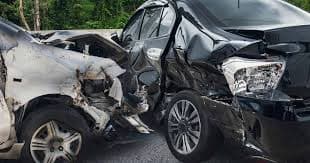
Severe vehicle collision caused by unsafe road conditions
Fatalities & injuries

A small crater can end a life

When riders hit a hidden pothole at speed, the result is often a skid, a fall, or a collision with oncoming traffic. Hospitals in Ludhiana and across Punjab regularly treat head injuries and fractures from road-surface failures that could have been patched weeks earlier.

  • Two-wheeler riders face the highest risk on poorly lit or waterlogged roads
  • Head injuries and spinal trauma from sudden falls are common outcomes
  • Families lose breadwinners over repairs that cost a fraction of a life
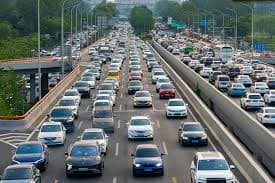
Heavy traffic congestion on a multi-lane highway
Traffic & congestion

Potholes don't just slow you down — they stop a city

Damaged lanes force every vehicle to merge, brake, and weave. One bad stretch on a main artery can ripple into hour-long jams, missed appointments, and idling traffic that wastes fuel and worsens air quality.

  • Single-lane bottlenecks form where drivers avoid cratered sections
  • Buses and school vans lose schedules on repeat damage hotspots
  • Delivery and gig workers lose income stuck in preventable congestion
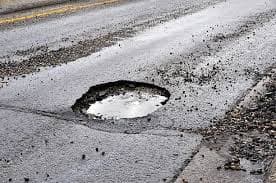
Large water-filled pothole on a cracked asphalt road
Monsoon hazard

Rain turns cracks into traps overnight

Each monsoon, small defects become deep pools that hide their depth. Drivers misjudge the water, axles break, and entire neighbourhoods become cut off until someone flags the spot — often after dozens of near-misses.

  • Water-filled potholes are nearly invisible after dark
  • Repeated flooding undermines road base and widens damage fast
  • Pedestrians wade through traffic to avoid submerged stretches
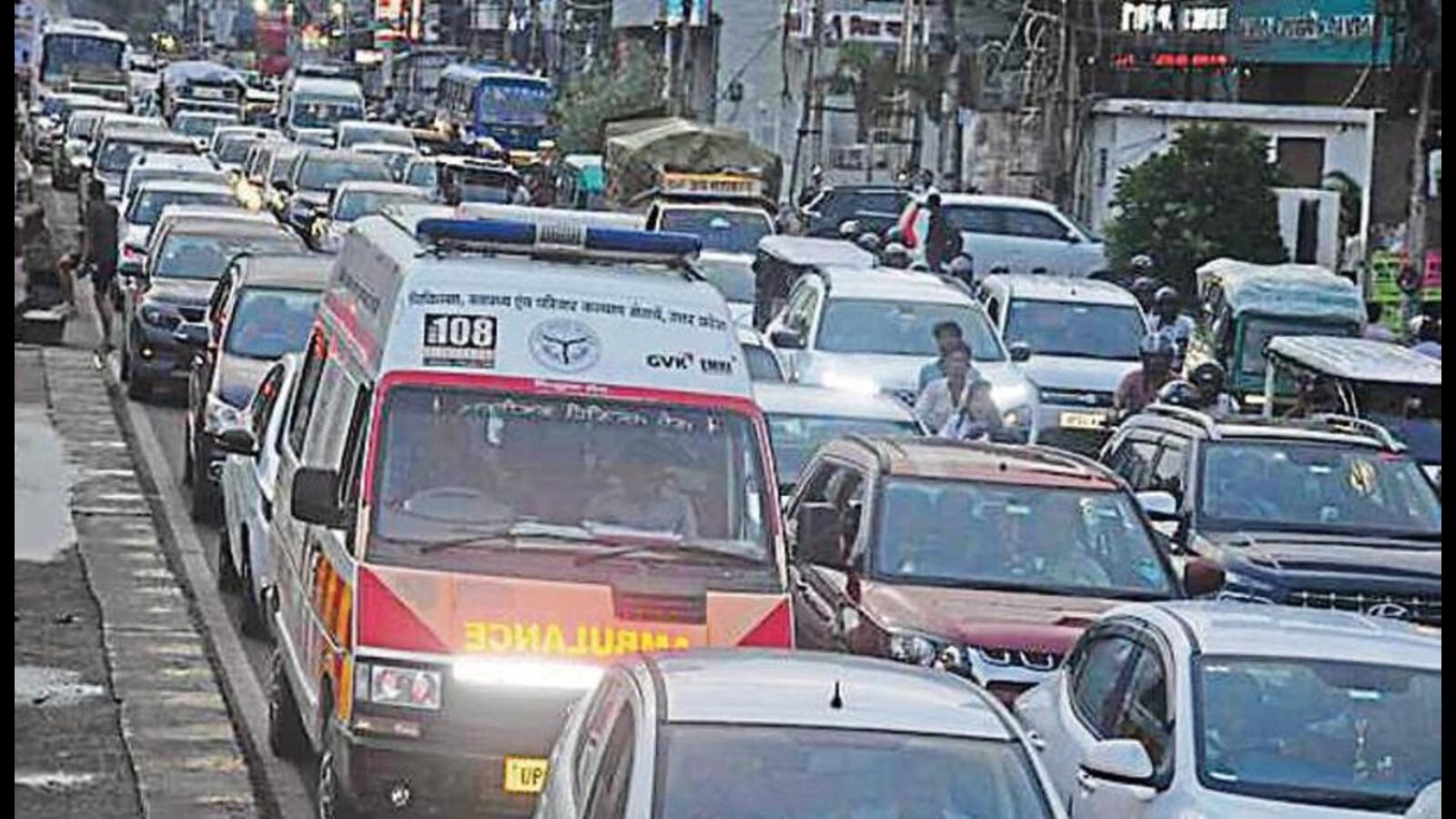
Ambulance responding on a city road
Emergency delays

When roads fail, ambulances fail too

Every minute counts for stroke, cardiac, and trauma patients. Pothole-ridden routes slow fire trucks, ambulances, and police — turning a repair backlog into a public-health risk far beyond inconvenience.

  • Detours add critical minutes to hospital transfer times
  • First responders report damaged tyres and suspension on repeat call-outs
  • Night-time emergencies are worse where street lighting and surface quality both fail

My Sadak at a glance

Visibility

110+

issues brought into public view

Each report adds to a shared map, so hazards are no longer invisible to neighbors and officials.

Repair pressure

0

reports marked fixed

Public status updates show when action happens and when communities still need follow-through.

Reach

34+

areas in the network

Coverage is growing so more neighborhoods can use the same simple reporting flow.

Prevention

Early

intervention focus

Flagging potholes before monsoon widening or repeat accidents, when fixes are cheaper and safer.

Theory of change

How one report becomes safer roads

1

Report

A resident sends location and details on WhatsApp, fast enough to do safely at the roadside.

2

Publish

The issue appears on the public map and reports list so the whole community sees the hazard.

3

Route

The report reaches the relevant government representative for that area.

4

Resolve

Status moves from reported → in review → forwarded → fixed, creating a trackable record of action.

Outcomes

What changes when reporting is public

  • Residents spend less time guessing whether anyone noticed a dangerous road.
  • RWAs and volunteers gain evidence they can share in meetings with officials.
  • Government reps see clustered reports instead of one-off messages.
  • Communities build a habit of reporting, shifting from acceptance to accountability.

Why this matters now

Delayed action costs lives, not just repair budgets

My Sadak turns scattered complaints into a visible stream of hazards. When communities and officials share the same map, prioritization gets smarter and high-risk zones are harder to overlook.

That is the impact I am building toward: fewer preventable injuries, stronger civic habits, and roads that match the pace of a growing city.

Community voices

Impact in people's words

Our RWA finally had map-based proof for potholes near the society gate. Follow-up became a conversation with facts, not frustration.
Resident volunteer
WhatsApp reporting means even parents and shop owners can participate without learning a new app.
Civic volunteer, Ludhiana area
Seeing reports cluster by zone helps prioritize site visits before the next heavy rain.
Government coordinator
We reported three potholes near our society gate. Within days they were on the map and marked forwarded.
Priya Sharma · Sector 12 RWA
Our lane had the same crater for months. One WhatsApp report with a pin made it visible to everyone, and repair crews showed up the next week.
Meena Kulkarni · Shop owner
The public map keeps pressure on repairs without endless phone calls to different offices.
Arjun Mehta · Civic volunteer
Our RWA finally had map-based proof for potholes near the society gate. Follow-up became a conversation with facts, not frustration.
Resident volunteer
WhatsApp reporting means even parents and shop owners can participate without learning a new app.
Civic volunteer, Ludhiana area
Seeing reports cluster by zone helps prioritize site visits before the next heavy rain.
Government coordinator
We reported three potholes near our society gate. Within days they were on the map and marked forwarded.
Priya Sharma · Sector 12 RWA
Our lane had the same crater for months. One WhatsApp report with a pin made it visible to everyone, and repair crews showed up the next week.
Meena Kulkarni · Shop owner
The public map keeps pressure on repairs without endless phone calls to different offices.
Arjun Mehta · Civic volunteer
Our RWA finally had map-based proof for potholes near the society gate. Follow-up became a conversation with facts, not frustration.
Resident volunteer
WhatsApp reporting means even parents and shop owners can participate without learning a new app.
Civic volunteer, Ludhiana area
Seeing reports cluster by zone helps prioritize site visits before the next heavy rain.
Government coordinator
We reported three potholes near our society gate. Within days they were on the map and marked forwarded.
Priya Sharma · Sector 12 RWA
Our lane had the same crater for months. One WhatsApp report with a pin made it visible to everyone, and repair crews showed up the next week.
Meena Kulkarni · Shop owner
The public map keeps pressure on repairs without endless phone calls to different offices.
Arjun Mehta · Civic volunteer
Our RWA finally had map-based proof for potholes near the society gate. Follow-up became a conversation with facts, not frustration.
Resident volunteer
WhatsApp reporting means even parents and shop owners can participate without learning a new app.
Civic volunteer, Ludhiana area
Seeing reports cluster by zone helps prioritize site visits before the next heavy rain.
Government coordinator
We reported three potholes near our society gate. Within days they were on the map and marked forwarded.
Priya Sharma · Sector 12 RWA
Our lane had the same crater for months. One WhatsApp report with a pin made it visible to everyone, and repair crews showed up the next week.
Meena Kulkarni · Shop owner
The public map keeps pressure on repairs without endless phone calls to different offices.
Arjun Mehta · Civic volunteer

Commitment

Every pothole treated as a preventable safety threat

My Sadak is not built for vanity metrics. It is built to protect daily commuters, support volunteers and RWAs with real evidence, and keep constructive pressure on repairs until streets are safe. This is a long-term civic project: one report, one fix, one safer route at a time.